The Natural Latex PillowProcess, specification, tolerance
Latex is the one natural pillow fill sold with numbers attached, such as ILD, density and natural content, and those numbers are easy to misread.
The reference, by section
Start with the materialLatex references
Every reference
Can you wash a latex pillow, and what do water and heat do to the foam?
Latex foam gets washed in water at the factory, so water by itself does not ruin a pillow. At home, the damage comes from three things: a tumbling drum, the weight of a soaked core, and heat.
How do you look after a natural latex pillow at home?
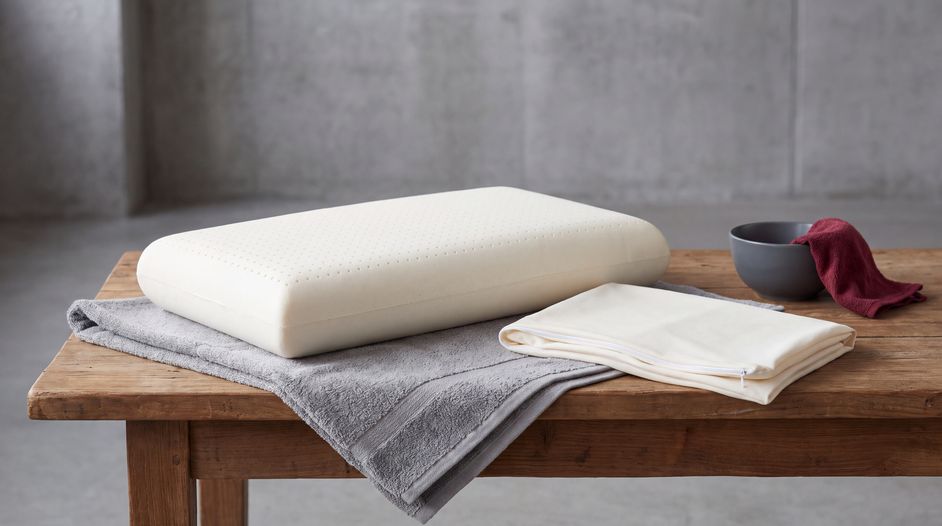
A natural latex pillow needs little care, but the care it needs is specific. The core is rubber foam, so water, sunlight and heat do it more harm than everyday dirt does.
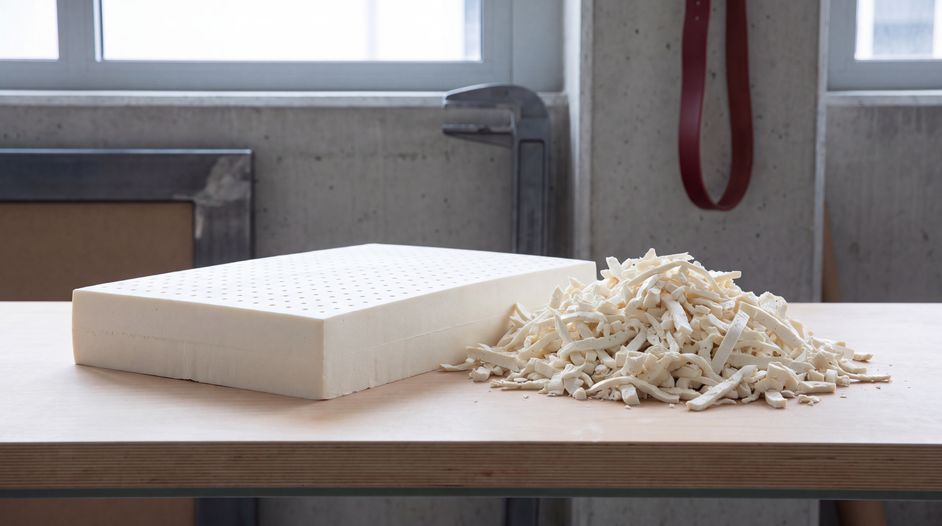
What is a latex pillow?
A latex pillow replaces feathers or polyester with foam made from rubber. This page covers what is inside one, how the foam is made, how tall and heavy it is, and what the words on its label prove. It also covers what published studies found about neck pain, allergy and dust mites.
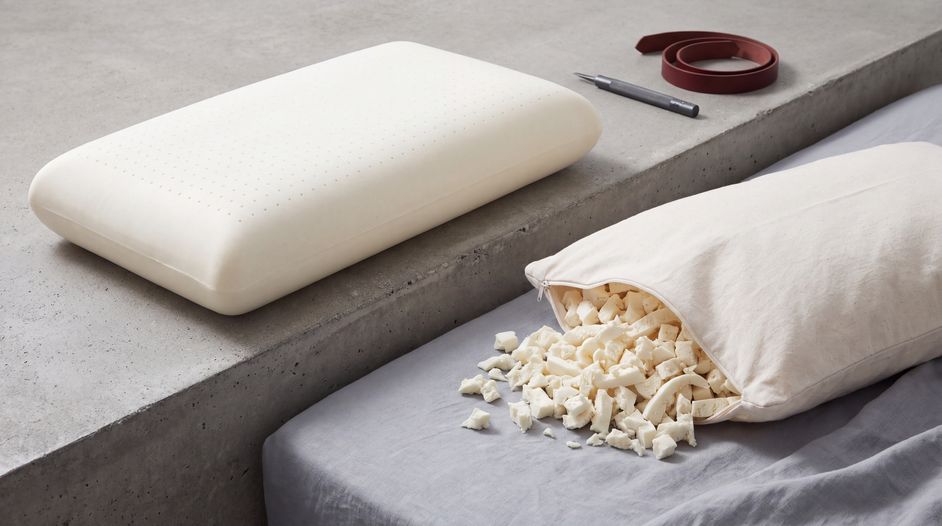
How do shredded and solid latex differ in a pillow, and where do Talalay and Dunlop fit?
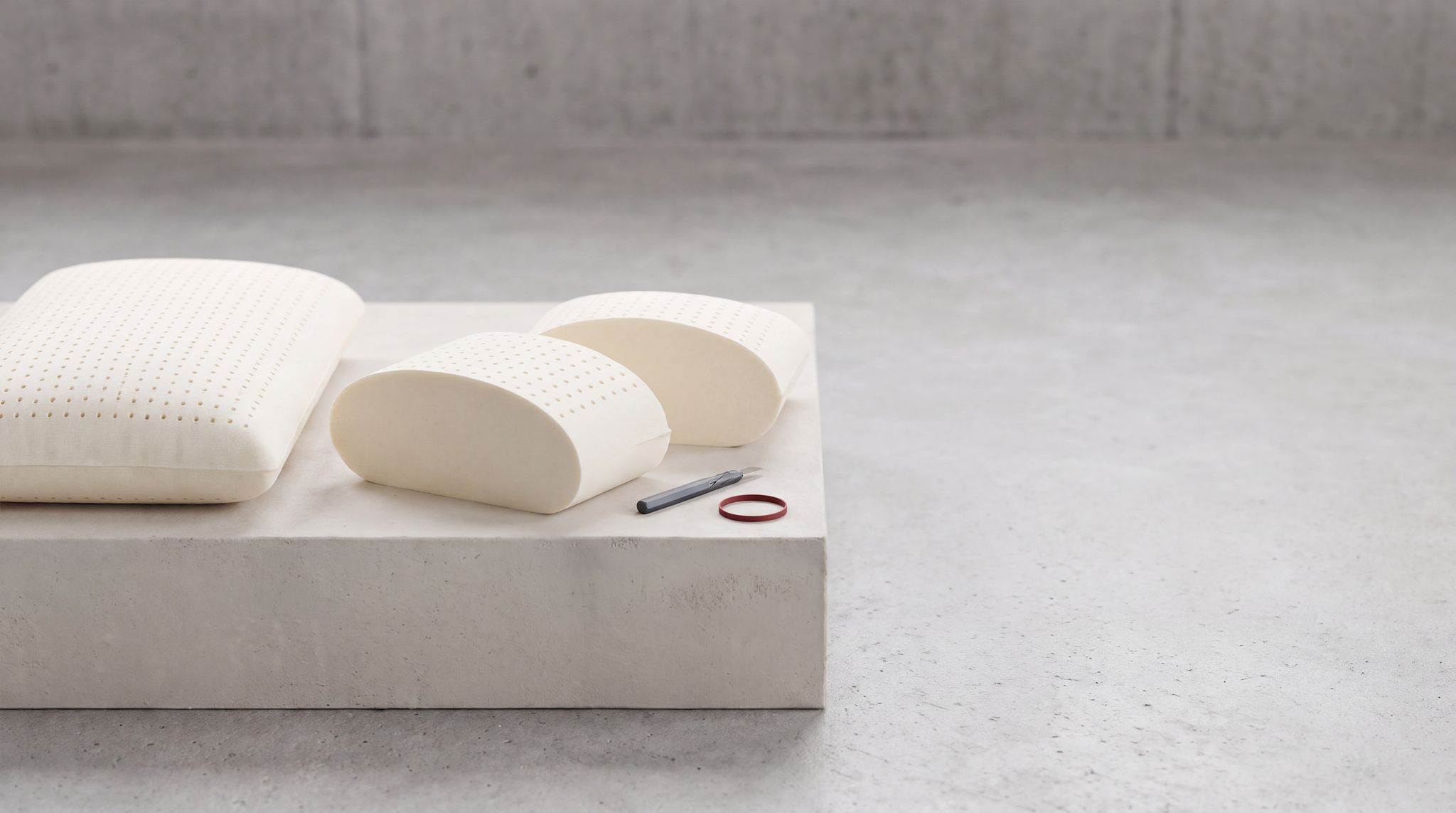
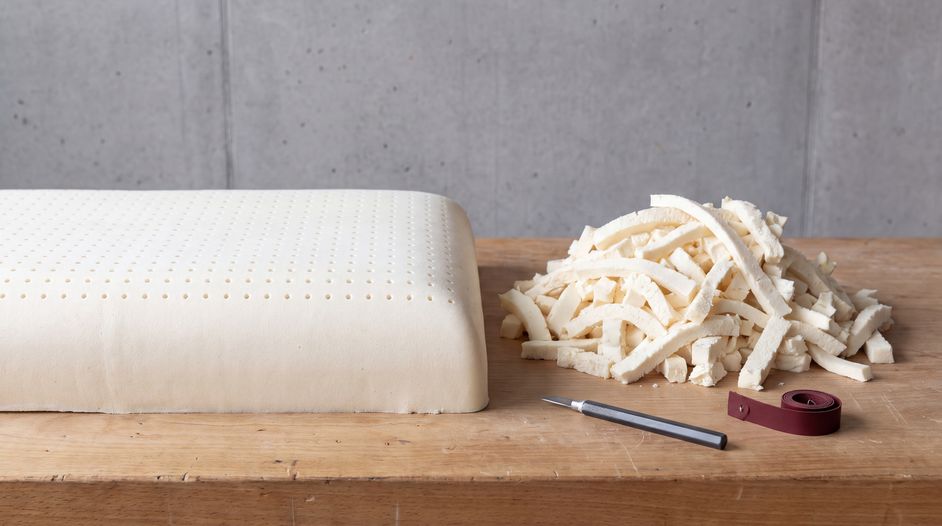
Shredded and solid latex start as the same foam but end up as two different products. A solid pillow is one molded block at a fixed height, and a shredded pillow is a zippered cover of loose pieces. Talalay and Dunlop name the process that made the foam, whichever form it takes.
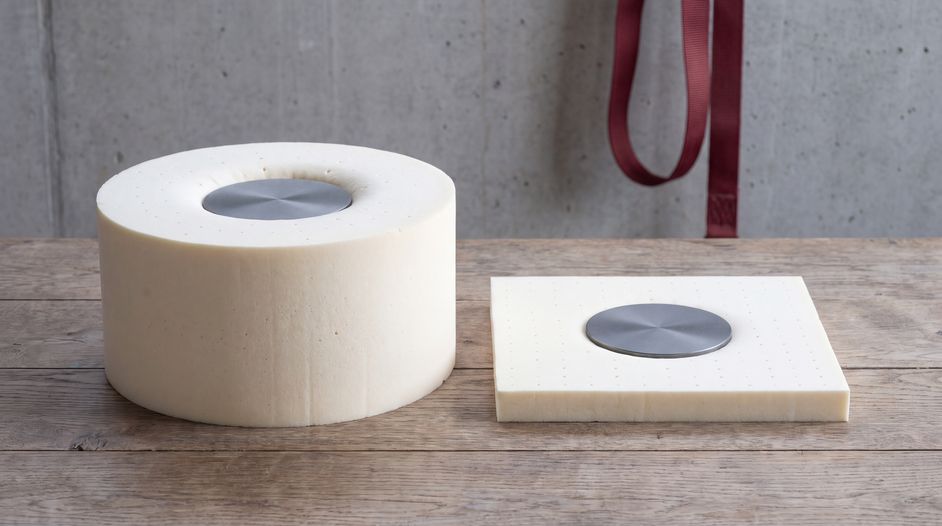
How do you read a pillow's ILD, and why can the same number feel different in two pillows?
Some latex pillow listings print an ILD number as if that settles how firm the pillow is. The number comes from a slab test on a foam sample about 4 inches thick (Natural Mattress Finder). Pillow cores run from 2.6 inches (Talatex) to 7 inches tall (Bear), and most sellers leave out which test they ran.
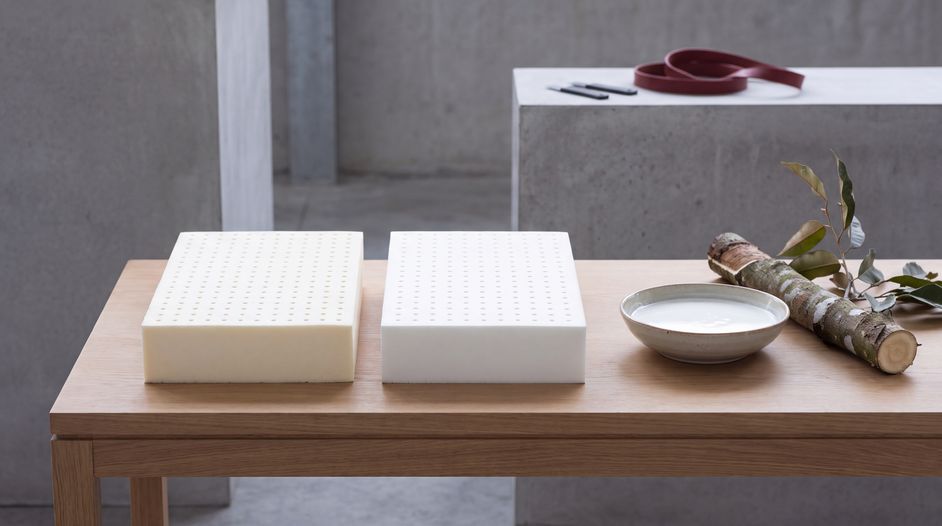
How do you read a latex pillow label, from the natural percentage to the organic claim?
A latex pillow page that says "natural" could be describing organic foam, which must be at least 95% certified organic raw material by weight (Sustainable Jungle). It could also be describing foam that is 70% synthetic (Mayers Bedding). When a page gives a percentage, that number is the quickest way to tell the two apart. This page explains how to read it.
Specify latex
What should a latex pillow's specification say for you?
About The Natural Latex Pillow
What is on the specification, and what does it mean?
Density, indentation load deflection (ILD), natural content and core size, each a figure a seller or a lab produced, usually printed without the test behind it.
ILD comes from a slab test: under ASTM D3574 a flat disc presses a sample about 4 inches thick down by 25%. Pillow cores on sale run from 2.6 to 7 inches tall, and none of the four pillow pages we found printing an ILD named the test behind it. Our guide to reading ILD explains what the number can and cannot tell you.
What does the pour process change?
How dense the foam is and how evenly the bubbles set. Dunlop is denser, and Talalay adds steps that make a lighter, more even foam.
Dunlop foam is whipped, poured into a mold and baked. Talalay fills the mold only part way, expands the foam under vacuum and freezes it before curing. Our guide to how natural latex is made follows both routes from the tapped tree to the washed core.
What does this cover?
From the tapped tree to the pillow on the bed, in the order a buyer meets each question.
The tree, the harvest, and what happens to the sap before it becomes foam.
Dunlop and Talalay, and the physical differences between them.
A solid molded core against shredded fill, and who sets the height.
How indentation load deflection is specified, tested and misquoted.
Reading a natural-content percentage, and what the rest of the foam is.
Who should skip latex, with published prevalence estimates of about 1% to 4.3%.
How a molded core sits in a 20 by 26 inch case, and why the core is spot cleaned rather than washed.